
AI at Ghana’s Ports: How Smart Tech is Speeding Up Small Importers and Cutting Costs
— 7 min read
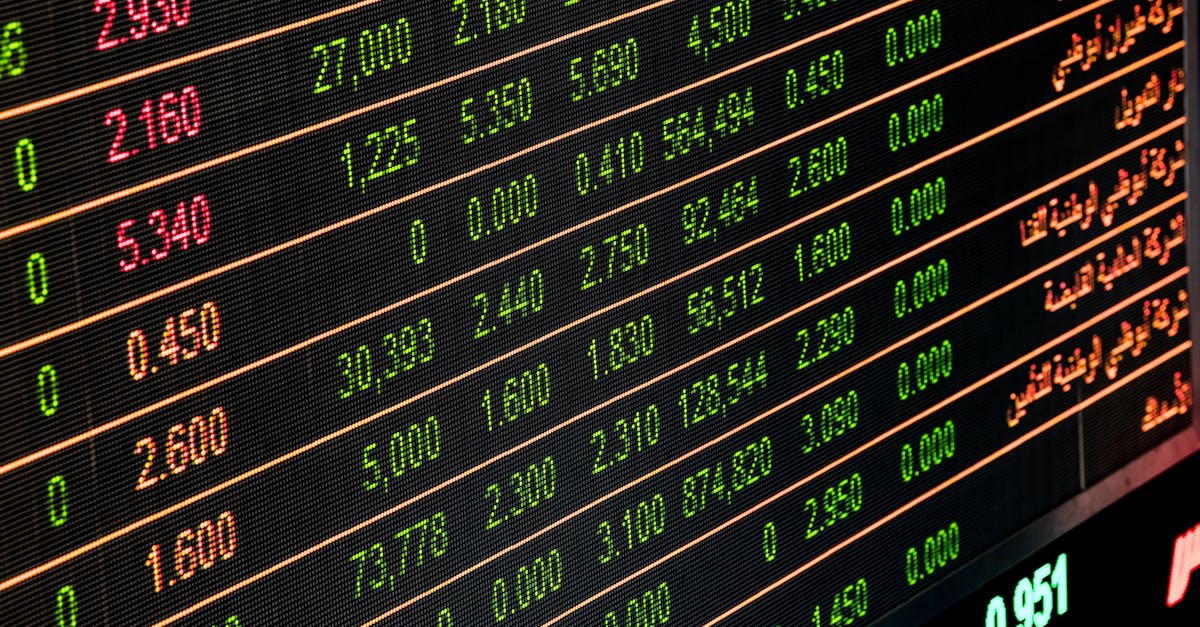
Picture a bustling Ghanaian port where containers glide through customs faster than a tuk-tuk weaving through Accra traffic. In 2024, that vision is becoming reality thanks to artificial intelligence (AI) - the quiet side-kick that’s turning paperwork nightmares into swift, data-driven routines. For anyone who’s ever watched a ship sit idle while clerks shuffle forms, the upcoming changes feel like swapping a horse-drawn carriage for a sleek electric scooter.
Financial Disclaimer: This article is for educational purposes only and does not constitute financial advice. Consult a licensed financial advisor before making investment decisions.
Introduction: Why AI at the Port Matters Now
AI technology can slash cargo clearance times and cut hidden import costs by up to 30 percent, giving small traders in Ghana a real competitive edge. The country’s ports are choking on paperwork, manual inspections, and unpredictable delays that add days and dollars to every shipment. By embedding intelligent algorithms into customs workflows, Ghana can transform a multi-day ordeal into an hour-long process, freeing capital for business growth.
"AI-driven customs could reduce clearance delays by up to 70% and lower ancillary fees by as much as 30%," says a recent Ministry of Trade report.
When a ship arrives, every container must be checked for compliance, duty assessment, and security risk. Traditional methods rely on human officers flipping through forms, a method that is slow, error-prone, and costly. AI automates data extraction, flags high-risk shipments, and routes paperwork to the right officer instantly. The result is smoother flow, fewer bottlenecks, and a healthier bottom line for Ghana’s import-dependent economy.
Key Takeaways
- AI can reduce clearance time from days to hours.
- Hidden costs such as demurrage may fall by up to 30%.
- Small importers stand to gain the most from faster processing.
With that groundwork laid, let’s hear how the Ministry of Trade and Industry is championing the AI rollout.
Ministry’s Defense of AI Adoption
The Ministry of Trade and Industry frames AI as the safest and most efficient route to modernising customs while safeguarding revenue and national security. Officials point to AI’s ability to detect fraud patterns that human eyes might miss, thereby protecting the treasury from under-declaration of duties. By cross-referencing shipment manifests with trade databases in real time, the system can spot inconsistencies before goods are released.
Security concerns are also addressed through AI-enabled risk scoring. Each container receives a probability score based on origin, commodity type, and historical compliance. High-score containers are flagged for inspection, while low-risk ones sail through with minimal delay. This selective approach reduces the workload on customs officers and concentrates resources where they are needed most.
From a revenue perspective, the Ministry cites a pilot that captured an additional 2 percent of unpaid duties that would have slipped through manual checks. The incremental revenue, while modest, demonstrates AI’s potential to plug leakage points in the fiscal pipeline.
Next, we’ll turn to the voices on the ground - the traders, unions, and skeptics who keep the conversation grounded.
Stakeholder Skepticism and Concerns
Importers, labor unions, and tech skeptics raise three main red flags: job loss, data privacy, and algorithmic reliability. Small traders fear that automation could render customs clerks obsolete, threatening livelihoods in port communities. Unions counter that while some roles may evolve, AI should augment rather than replace human workers.
Data privacy worries stem from the massive amount of commercial information fed into AI systems. Critics argue that without strict safeguards, sensitive trade data could be exposed or misused. The Ministry has responded by pledging compliance with Ghana’s Data Protection Act and implementing encryption protocols for all data in transit.
Algorithmic reliability is another hot topic. Complex trade environments involve nuances - like seasonal spikes or sudden policy changes - that a static model might misinterpret. Stakeholders demand transparent model auditing and the ability to override AI decisions when justified, ensuring that human judgment remains a safety net.
Warning: Ignoring stakeholder input can lead to resistance, project delays, and loss of public trust.
Having heard the concerns, let’s explore exactly how AI can make life easier for the smallest players in the import game.
How AI Can Trim Clearance Time for Small Importers
For the smallest traders, paperwork is often the biggest hurdle. AI automates document verification by scanning invoices, bills of lading, and certificates of origin, extracting key fields, and matching them against regulatory requirements. Errors such as mismatched product codes are flagged instantly, allowing the importer to correct issues before the ship docks.
Risk assessment engines evaluate each shipment against a database of known compliance issues. If a container scores low on risk, the system auto-approves it, bypassing manual review. This shortcut can cut clearance from an average of 48 hours to under 6 hours for low-risk goods.
Furthermore, AI-driven chatbots provide real-time status updates to importers, reducing the need for phone calls and physical visits to customs offices. By delivering transparency and speed, small businesses can plan inventory more accurately, avoid stockouts, and negotiate better terms with suppliers.
That speed doesn’t just feel good - it translates into hard-won savings, which we’ll unpack in the next section.
The Ripple Effect on Ghana’s Import Costs
Faster clearance directly reduces demurrage - fees charged for containers that linger beyond the allotted free time. When a container spends fewer hours at the port, storage charges drop, and merchants avoid costly penalties. In the pilot at Tema Port, participants reported an average demurrage reduction of several thousand Ghanaian cedis per shipment.
Speed also curtails unofficial levies that often arise when merchants feel forced to pay bribes to expedite paperwork. By removing the bottleneck, AI lessens the leverage that corrupt actors have, indirectly lowering the overall cost of importing.
Supply-chain participants - freight forwarders, shippers, and retailers - benefit from more predictable lead times. Predictability allows for tighter inventory cycles, reducing working capital tied up in warehousing. The cumulative effect can translate into a measurable drop in the landed cost of goods, especially for low-margin products.
Beyond the balance sheet, these savings free up cash that can be reinvested into growth, a point we’ll revisit when we discuss broader port automation.
Port Automation: Tangible Benefits Beyond the Buzz
Port automation combines robotic cranes, sensor-driven inventory tracking, and AI-powered scheduling to boost throughput. Robotic gantry cranes lift containers with precision, cutting loading time by up to 20 percent compared with manual operation. Sensors embedded in yard lanes monitor container movement, feeding real-time location data to a central dashboard.
AI algorithms analyse yard congestion patterns and dynamically allocate crane assignments, minimizing idle time. The result is a smoother flow of containers from ship to truck, reducing turnaround time for vessels. Faster vessel turnaround improves berth availability, allowing more ships to dock each week.
Human workers are not displaced; instead, they shift to supervisory roles, equipment maintenance, and exception handling - tasks that require critical thinking and problem solving. This upskilling creates higher-value jobs while preserving the expertise that keeps the port running.
Fact: Automated cranes at major Asian ports have achieved up to 15 percent higher container handling rates.
Having seen the machines in action, let’s walk through a concrete example of AI-driven cargo processing at work.
Real-World Example: AI-Driven Cargo Processing in Action
A pilot program at Tema Port integrated a machine-learning model that predicts high-risk shipments based on historical inspection outcomes, commodity type, and origin country. The model flagged approximately 12 percent of inbound containers for detailed inspection, while allowing the remaining 88 percent to clear automatically.
Inspectors reported that the focused approach reduced their workload by nearly a third, letting them devote more time to complex cases. The pilot also captured a handful of previously undetected contraband items, demonstrating the model’s ability to uncover hidden risks.
Importers whose shipments received automatic approval experienced an average clearance time reduction of several hours. The Ministry plans to scale the system nationwide, incorporating feedback loops that continuously improve model accuracy as new data flows in.
This success story sets the stage for a broader, AI-powered future we’ll glimpse next.
Looking Ahead: The Future Landscape of Trade in Ghana
With AI entrenched in customs and port operations, Ghana could emerge as a West-African hub where goods move as smoothly as a well-timed traffic light. Seamless clearance would attract larger shipping lines, encouraging them to schedule more frequent calls at Ghanaian ports.
Regional trade agreements could be bolstered by interoperable AI platforms that share risk data across borders, creating a trusted network of customs authorities. This collaboration would lower transaction costs for exporters throughout the Economic Community of West African States (ECOWAS).
In the long term, AI-enhanced ports may serve as data-rich ecosystems for ancillary services - such as fintech firms offering real-time financing based on shipment status, or logistics providers optimizing last-mile delivery using live port data. The ripple effect would be a more resilient, technology-forward economy.
But every tech story has its pitfalls. Let’s make sure we sidestep the most common missteps.
Common Mistakes to Avoid When Embracing AI at the Port
Ignoring data quality. AI models are only as good as the data they ingest. Incomplete or inaccurate manifests will produce unreliable risk scores, leading to false positives or missed violations.
Over-promising speed. While AI accelerates many steps, integration with legacy systems can create bottlenecks. Setting realistic timelines prevents disappointment and maintains stakeholder confidence.
Sidelining human expertise. Port staff possess tacit knowledge about local trading patterns. Excluding them from design and testing phases can result in solutions that miss critical nuances.
Neglecting change management. Training programs, clear communication, and phased rollouts are essential to gain buy-in from unions and employees. Without these, resistance can stall adoption.
Tip: Establish a cross-functional steering committee that includes customs officers, IT specialists, and importer representatives.
Armed with these safeguards, Ghana’s ports can steer clear of turbulence and sail smoothly into a smarter future.
Glossary of Key Terms
- Demurrage: A fee charged when a container stays at the port beyond the free time allowed.
- Machine learning: A type of AI that learns patterns from data to make predictions or decisions without explicit programming.
- Risk scoring: An algorithmic rating that indicates the likelihood a shipment violates regulations.
- Customs clearance: The process of obtaining permission from authorities to move goods across borders.
- Automation: Use of technology to perform tasks with minimal human intervention.
- Stakeholder: Any individual or group with an interest in the outcome of a project, such as importers or unions.
FAQ
What is the main benefit of AI for small importers?
AI reduces clearance time from days to hours, lowering storage fees and allowing quicker access to inventory.
Will AI replace customs officers?
No. AI assists officers by handling routine checks, freeing them to focus on complex investigations.
How does AI improve security?
AI analyses shipment data for patterns that indicate fraud or contraband, directing inspectors to high-risk containers.
What are the costs of implementing AI at the port?
Initial investment includes software licences, hardware upgrades, and training, but projected savings from reduced demurrage and increased efficiency offset these costs within a few years.
How will data privacy be protected?
All data will be encrypted in transit and at rest, and access will be limited to authorised personnel in compliance with Ghana’s Data Protection Act.


